0 readers
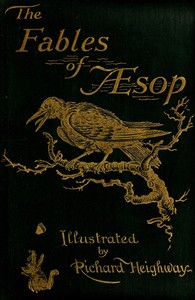
Aesop's Fables
by Aesop
Category: Fiction
Status: Available
Source: Public Domain — Project Gutenberg
About This Book
"The Fables of Aesop" by Aesop is a collection of fables credited to a storyteller who lived in ancient Greece between 620 and 564 BCE. These short tales feature talking animals and plants that teach moral lessons through simple yet profound scenarios. Originally part of oral tradition, the stories were collected centuries after Aesop's death and have been continuously expanded, translated, and reinterpreted across cultures. The fables address ethical, social, and political themes, offering timeless wisdom through humble incidents that reveal great truths about human nature and behavior.
Preview
Loading preview...
About This Edition
This edition of Aesop's Fables is sourced from Project Gutenberg, the world's oldest digital library of public domain literature, founded in 1971 by Michael Hart. Project Gutenberg houses over 70,000 freely available e-books whose copyrights have expired in the United States, and every text has been verified to be free of copyright restrictions.
On Libreya, the text has been carefully formatted for comfortable reading on any screen — with consistent chapter navigation, adjustable font sizes, and four reading themes: light, sepia, dark, and night mode. Your reading position is saved automatically when you sign in, so you can pick up exactly where you left off across any device. The original text has not been altered in any way; what you read here is the same work as it appeared in its original published form.
About Classic Fiction
Classic fiction represents the highest achievements of literary imagination. The novels in this genre have shaped how generations of readers understand human nature, society, and the fundamental questions of existence. Reading 19th and early 20th-century novels offers far more than historical interest: these stories explore love, ambition, morality, and identity with an insight that remains startlingly relevant today. Authors like Tolstoy, Dostoevsky, Austen, Hardy, and Dickens wrote for readers much like us — people trying to make sense of a complicated world — and their observations on class, relationships, power, and conscience carry across centuries with barely diminished force. Classic fiction is also where the novel as an art form reached some of its greatest heights: innovative narrative structures, deeply realized characters, and prose styles that reward slow, attentive reading. These are not museum pieces. They are living works that continue to be discussed, adapted, and argued over because they capture something essential and enduring about human experience.